"I'm 28. Is it too late to learn to code?" "I'm 35 — should I even bother?" "I'm 42. Everyone else started at 15. Am I wasting my time?" Here is a completely honest answer. No motivational fluff. No "age is just a number" platitudes.
The Myth of the Teenage Prodigy
The idea that you had to start coding at 12 to be any good at it comes from movies and Silicon Valley stereotypes. It has almost nothing to do with how real developers actually build their careers.
The average age of a first-time developer who switched careers is 31. Not 19. Not 22. Thirty-one.
Career switchers are not the exception. They are extremely common. And developers who switch careers from other industries often become better developers — because they bring domain expertise. A nurse who learns to code can build healthcare tools that purely technical developers would never think to build.
What Has Actually Changed in 2026
AI tools have automated some of the most basic coding tasks. Junior developer roles have become more competitive in certain areas. But the demand for developers who can think clearly, solve real problems, and work effectively with AI tools has never been higher.
AI has raised the floor and raised the ceiling simultaneously. Don't just learn to code in 2026. Learn to build. There is a meaningful difference. "Learning to code" means you can follow tutorials and write functions. "Learning to build" means you can take a real problem and ship a working solution.
The Honest Timeline
Month 1–2: You understand the basics. Variables, functions, loops. Your code is ugly. That is completely fine.
Month 3–4: You build your first real small project. Something you can show another person.
Month 5–6: You finish something complete that you designed yourself — not a tutorial project.
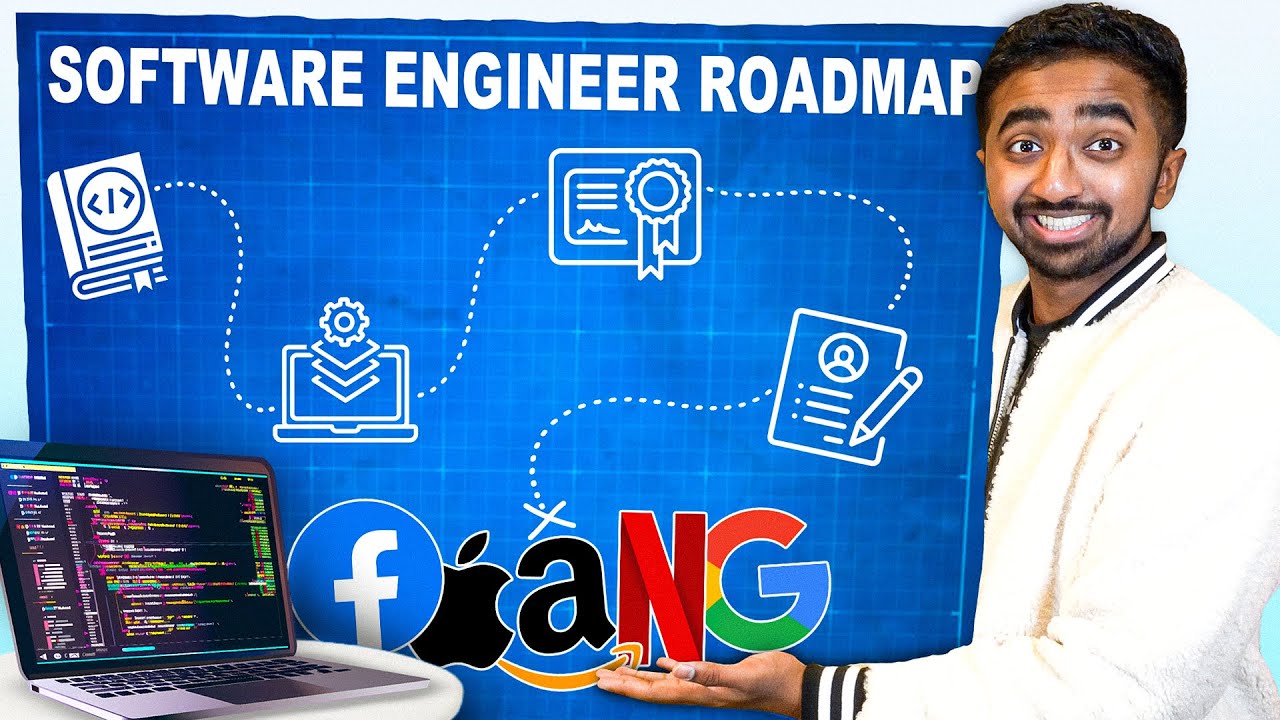
Month 8–12: You have a portfolio. Two or three real projects. Skills to apply for junior developer roles.
Month 12–18: First paid work. Either employed or freelance.
The Three Things That Predict Success
First: tolerance for confusion. Programming involves being confused for extended periods and pushing through anyway. The people who succeed treat confusion as a normal part of the process.
Second: building over watching. The people who make it close the tutorial and try to build something before they feel ready.
Third: finishing ugly things. An ugly finished project is worth ten beautiful unfinished ones. It teaches you vastly more, and it gives you something real to build on.