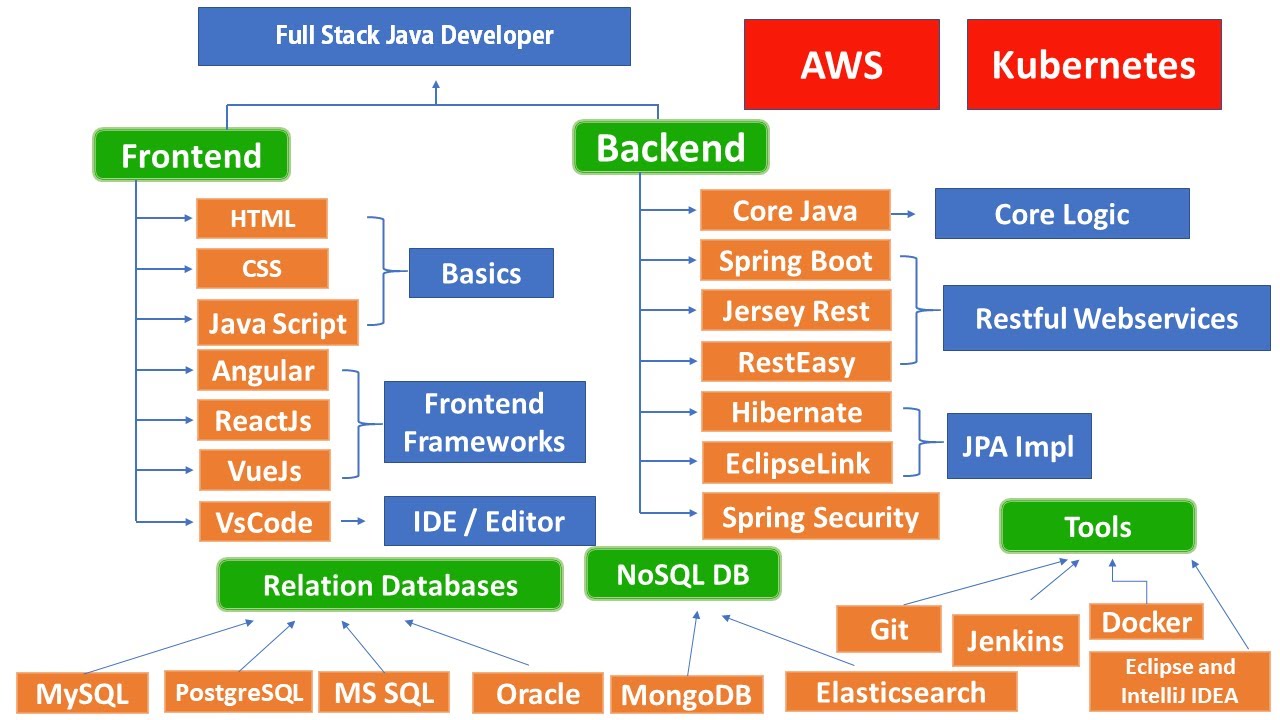
Frontend developer. Backend developer. Full-stack developer. These terms get thrown around constantly. Nobody explains what they actually mean in plain English. This post fixes that.
The Restaurant Analogy
Think of a web application like a restaurant.
The frontend is the dining room. Everything customers see and interact with — the tables, the menus, the lighting, the atmosphere.
The backend is the kitchen. The cooking, the inventory management, the recipes. Users never see it, but without it nothing on the customer side actually works.
The full-stack developer knows both. They can design the dining room AND cook the food.
Frontend Development
Core technologies: HTML, CSS, JavaScript, and typically React, Vue, or Svelte.
A typical day: Taking a Figma design and turning it into working code. Making layouts work on phones, tablets, and desktops. Connecting buttons and forms to backend APIs. Optimising load speed and animations.
Personality fit: You like visual things. You care about how things look and feel. You want immediate feedback.
Average salary in 2026: $60,000–$110,000 globally (remote roles widely available).
Backend Development
Core technologies: Node.js, Python (Django or FastAPI), Go, PostgreSQL, Redis.
A typical day: Building APIs, designing and managing databases, handling authentication and security, managing server performance, writing business logic.
Personality fit: You like logic and systems. You are comfortable with invisible infrastructure.
Average salary in 2026: $70,000–$130,000 globally.
Full-Stack Development
Most common stack in 2026: React + Node.js + PostgreSQL, or Next.js + Prisma + PostgreSQL.
A typical day: Building complete features end-to-end — UI, API endpoint, and database query all in one day. Jumping between a frontend bug in the morning and a backend performance issue in the afternoon.
Personality fit: You want to own complete features. You like variety. You are comfortable being a generalist.
Average salary in 2026: $75,000–$130,000 globally.
Which Should You Choose?
My honest advice for beginners: Start full-stack. Learn JavaScript from the frontend all the way to the backend. Build one complete project with both sides. Then decide which you enjoyed more.
Once you have experienced both sides, the decision between frontend specialist and backend specialist becomes obvious based on which parts you naturally gravitated toward.